Construction chemicals
Top-quality construction chemicals are essential for every building and refurbishment project. We offer mortars, plasters, renders, flooring materials, gypsum products, paints, grouts and much more from manufacturers such as Sika and Soudal.
Products (12)
- MDM moss remover
- Sika MultiSeal sealing tape
- Sika Primer
- Sika Sika Boom expanding foams
- Sika Sika Igolflex coatings
- Sika SikaBond adhesives
- Sika SikaFlex sealants
- Sika SikaGard coatings
- Soudal adhesives
- Soudal polyurethane foams
- Soudal roofing products
- Soudal sealants
- masonry mortars
- plasters and renders
- flooring materials
- waterproofing products
- primers
- roofing products
- grouts
- adhesives and sealants
- gypsum products and skim coats
- paints
- other products
Masonry mortars
Masonry mortar is a mixture of powdered binder (lime, cement or gypsum), mixed with water, and sand. It contains carefully selected fillers and modifying additives. The mortar is frost-resistant and waterproof, offers good adhesion and is easy to apply. It is intended for building walls from bricks, aerated concrete, expanded clay concrete and other wall units. It can also be used for all masonry and repair work inside and outside buildings.
Good masonry mortar should bond individual masonry units into a stable, monolithic structure and form a barrier against water entering the wall. Adhesion to the substrate is considered the most important property of masonry mortar. Close contact between the mortar and the entire surface of the masonry unit prevents water from entering the wall.
Thanks to its properties as a binder and its particle size, lime significantly improves the quality of masonry mortar. It produces a watertight masonry joint. Mortars containing lime are highly durable.
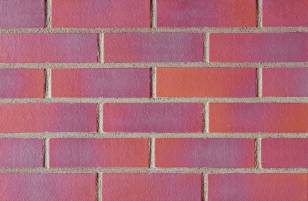
Our range includes traditional general-purpose mortars for building internal walls from bricks, hollow clay and concrete blocks and other masonry units. We also offer coloured mortars for building and pointing facing-brick walls in a single operation, and for building fences, foundations, inspection chambers, structural walls and chimneys from clinker bricks, indoors and outdoors. Nano-additives make these coloured mortars highly resistant to salt efflorescence.
Plastering and rendering mortars
Cement-lime plasters and renders can be used inside and outside buildings. They perform well in dry rooms and in rooms with higher humidity. When using these plasters and renders, there is no need for chemical bonding agents or primers to improve adhesion to the substrate.
Cement-lime plasters and renders can be applied to concrete, sand-lime brick, red clay masonry and aerated concrete substrates, and to concrete blocks.
The hydrated lime added to these plasters and renders makes them resistant to biological deterioration, meaning the growth of fungi and microorganisms on their surface.
Traditional cement-lime plasters and renders have three coats. Each coat uses sand of a different grain size, which affects the size of the capillaries that form. The largest are in the coat closest to the wall (the spatterdash coat), and the smallest in the outer coat (the finish coat).
Multi-coat plasters and renders use capillary action to draw moisture and salts out of the wall. Renovation systems work on this principle.
Cement-lime and lime plasters and renders have a service life of at least 50-80 years.
At Ambit, you can choose from a wide range of plasters and renders for manual and machine application to internal and external surfaces.
Flooring materials
Self-levelling compounds, also known as self-smoothing, levelling or smoothing compounds, are used to level and strengthen substrates for floor finishes such as flooring panels, floor coverings and ceramic tiles laid in thin-bed mortar.
Types of self-levelling compound include:- Cement-based mortars are resistant to moisture and strong. Cement layers without special additives, such as a flexibilising emulsion, are sensitive to elevated temperatures: they may crack and crumble when exposed to heat. They are therefore unsuitable for rooms with underfloor heating. Cement-based mortars can be used indoors and, if frost-resistant, outdoors too.
- Gypsum-based mortars have good mechanical properties and resist elevated temperatures, making them suitable for underfloor heating. They set faster than ordinary cement-based mortars. Gypsum-based mortars should not be used in damp rooms or outside buildings.
Our range includes a wide choice of flooring materials, including products for thin, self-levelling screeds that level concrete and cement substrates before all kinds of floor covering are laid, such as PCV tiles and sheet flooring, flooring panels, carpet, cork flooring, ceramic tiles and others.
Waterproofing
Products used for waterproofing include:- bituminous emulsions
- waterproofing sheets
- mineral waterproofing compounds
Bituminous emulsions are thick liquid compounds modified with plastics. They are used to prime dry and damp mineral substrates before a bituminous waterproofing layer is applied, and to create light-duty damp-proofing. Bituminous emulsions can be used as waterproofing admixtures in cement mortars. They are suitable for the following substrates: concrete, masonry, steel, fibre cement materials, thermal insulation boards and expanded polystyrene boards.
Waterproofing sheets are used for horizontal damp-proofing of foundations, walls and floors, and vertical damp-proofing of basement walls and foundations. They are flat or embossed, made from polyethylene, high-density polyethylene (HDPE) or PCV, and may also be reinforced with polyester or polypropylene fabric.
Mineral waterproofing compounds are much easier to use than waterproofing sheets and membranes. They form watertight coatings that also fill all irregularities in the elements being waterproofed and are suitable for sealing irregularly shaped surfaces. Types include:- single-component waterproofing mortars - mineral waterproofing compounds based on grey or white Portland cement that produce rigid waterproofing coatings. Many contain polymer admixtures. They can be used for vertical and horizontal waterproofing of foundation and basement walls and for waterproofing layers in floors exposed to moisture. They are also used to seal swimming pools and other water tanks. These mortars are highly resistant to mechanical damage and chemicals. They can be in direct contact with the ground. Single-component waterproofing mortars are used to seal concrete and reinforced concrete elements. They are not cheap, so they are most often used in larger buildings.
- two-component waterproofing mortars - their main ingredient is cement. They contain additives that improve watertightness and flexibility. A second component, a liquid polymer emulsion, is added to this mixture instead of water. The prepared mortar is exceptionally resistant to large temperature variations. It forms a thin waterproofing coating. Two-component mortars are used to waterproof foundations and basements from inside the building, and as a waterproofing material beneath ceramic, clinker and stone coverings, particularly on terraces and balconies.
- rapid-setting mortars for stopping leaks - products used when water suddenly leaks rapidly through basement walls, as they can be applied to damp surfaces.
A newer option is waterproofing powder, used to stop leaks in basement walls from the inside. The dry powder is rubbed into the damp wall, forming a rigid waterproofing coating within a few seconds.
Mineral compounds are often sold as the main component of waterproofing systems. These systems contain all the materials needed to install the waterproofing correctly.
Our range includes:- bituminous emulsions for waterproofing and priming: for light-duty waterproofing coatings and for priming concrete surfaces, brick walls, flat roofs, terraces, roof slopes and similar surfaces before applying waterproofing made from bituminous sealing compound, torch-on roofing felt and other coating materials. For use inside and outside buildings;
- waterproofing films - for waterproof coatings beneath ceramic coverings in rooms with higher humidity, such as bathrooms, showers, toilets and kitchens.
Primers
Priming means coating a surface intended for painting with a layer of material that bonds strongly to the substrate. Its purposes include:- creating a uniform coating,
- improving adhesion of the topcoat,
- strengthening the substrate,
- evening out or reducing its absorbency,
- binding loose particles in the substrate (consolidation),
- reducing topcoat consumption.
Priming uses paints and specialist primers or undercoats intended for particular materials, such as wood, plastered walls or metal, or for general use. They may be ready to use or supplied as a concentrate that must be diluted in the correct proportions.
Primers and undercoats for house walls:- reduce or eliminate water absorption,
- improve the frost resistance and thermal insulation properties of materials,
- prevent the growth of mould, algae or fungi,
- improve cohesion and harden the substrate,
- improve adhesion of coatings applied to the substrate,
- protect against salt efflorescence on the surface of materials.
Emulsion pastes are mixtures of water, bitumen, bentonite clay and modifying additives. They are used to prime substrates before waterproofing, create light-duty damp-proof coatings, bond thermal insulation materials and maintain roof coverings.
Roofing products
This category covers roof sealants and adhesives, along with priming and cleaning products. It includes:- specialist roofing sealant: clear and completely transparent. It offers excellent adhesion to many surfaces used in construction, such as roofing felt, bitumen, concrete, ceramics, metal, glass, stone, wood and plastics;
- sheet metal adhesive: a single-component adhesive and sealant whose main ingredient is MS Polymer®, offering excellent adhesion to roof coverings, including galvanised and painted metal sheets, clay roof tiles and most building substrates, even when damp;
- roof tile adhesive: a single-component polyurethane adhesive and sealant with excellent adhesion to clay and concrete roof tiles and most building materials, such as brick, fibre cement boards, concrete and wood (unsuitable for PE, PP, glass and bituminous substrates);
- roofing sheet adhesive: a single-component, polymer-modified contact adhesive for bonding most traditional materials. It is used to bond the edges and perimeter areas of roofing sheets and technical membranes to concrete, metal, stone, wooden or synthetic substrates;
- liquid cleaner for synthetic roofing membranes. Intended for removing uncured polyurethane and epoxy resins, mortar and cement residues, sealing mastics, bituminous compounds, tar compounds and other substances from PCV membranes; cleaning tools; and cleaning membrane surfaces on existing roofs during refurbishment;
- solvent-containing liquid primer made from synthetic rubber and resin: for priming various substrates for self-adhesive roofing membranes.
Grouts
Grout is an integral part of almost every wall or floor finished with ceramic or stone tiles.
The type of grout depends on the material being grouted: glazed ceramic tiles require a different mortar from porcelain or marble tiles. Some materials are unsuitable for grouting marble tiles, while others designed specifically for marble can also be used with ceramics.
You can choose freely from our grout range. Its wide choice of colours lets you match it to any type of glazed ceramic or terracotta tile.
Adhesives and sealants
Many types of adhesive are available today for different applications. These include:- adhesives for glazed ceramic tiles, terracotta tiles and mosaics - made from grey cement. They are used to bond ceramic wall and floor tiles of standard sizes, and can also fix porcelain mosaics. They are the least expensive adhesive mortars. They are mainly suitable for substrates that do not deform.
- adhesives for porcelain and clinker tiles - recommended for bonding tiles with low water absorption. They have high bond strength. Most are also suitable for glazed ceramic and terracotta tiles. They can be used indoors and outdoors.
- stone adhesives - suitable for stone tiles that are prone to discolouration. They are particularly recommended for marble, as well as other natural and artificial stones. Stone adhesives are made from white cement. They offer high bond strength and flexibility and can be used indoors and outdoors.
- universal adhesives - intended for bonding many types of wall and floor tile. Most can bond glazed ceramic, terracotta, porcelain and clinker tiles. They are also recommended for natural stone tiles that are not prone to discolouration. All can be used inside and outside the home. They are often frost-resistant and waterproof. Many are intended for bonding tiles to heated floors.
The appropriate adhesive mortar is selected according to the substrate and tile type.
Surfaces should be primed before tiles are bonded (see: Primers). This increases the strength of the substrate and improves adhesion.
Our range also includes ready-to-use adhesives, such as:- cork adhesive - a ready-to-use, solvent-free, flexible adhesive with high bond strength. It adheres excellently to plaster, concrete, stone and wood;
- adhesive for glazed ceramic and terracotta tiles - a ready-to-use, flexible, waterproof adhesive with high bond strength. It is solvent-free and completely non-flammable. It offers excellent adhesion to plaster, concrete, stone, ceramics, glass, wood and wood-based boards;
- floor covering adhesive - a ready-to-use, solvent-free, flexible adhesive with high bond strength. It adheres excellently to porous substrates: concrete, stone and wood;
- expanded polystyrene adhesive - a ready-to-use, solvent-free, non-flammable, flexible adhesive with high bond strength. It offers very good adhesion to porous substrates: concrete, stone and wood;
- universal grab adhesive - a ready-to-use synthetic rubber adhesive containing a non-aggressive solvent. It offers high bond strength and excellent adhesion to all building substrates except PP and PE. It is moisture-resistant.
Sealants
This group includes universal silicone sealants and waterproofing mortars.
Universal silicone sealants have a very wide range of uses. They are used to seal window and door frames, and are recommended for sealing air conditioning systems, ventilation systems, gutters and downpipes. They adhere well to glass and glazed surfaces. They should not be used to seal plastics. They can also cause metal corrosion. As they contain no fungicides, they are not recommended for rooms with higher humidity.
Universal silicone sealants, like construction silicone sealants, cannot be painted. They are available in several colours.
Waterproofing mortars are mainly made from cement, with mineral fillers and flexibilising agents (acrylic or polymer-based). They may have one or two components. They are used to waterproof swimming pools, terraces, balconies and damp rooms. Waterproofing mortars are discussed in more detail in the Waterproofing section.
Our range includes the following types of product:- silicone sealants - sealing compounds for finishing and refurbishment work. Excellent adhesion to typical porous and non-porous building substrates, very good resistance to weather, UV rays, moisture, fungi and mould, and a wide choice of colours make them a basic household sealant;
- acrylic sealants - sealing compounds based on an acrylic dispersion, with very good adhesion to porous substrates. They are intended for filling all kinds of joints with limited movement (up to 15%) in concrete, masonry, plaster and plasterboard, and around trim, window sills and stairs. They contain no solvents and are therefore odourless. Available in many colours, they can be painted and varnished once cured;
- MS polymers - adhesive and sealing compounds based on MS POLYMER® technology. They offer excellent adhesion to all building substrates and can even be applied to damp surfaces. Odourless and solvent-free, they are unaffected by many chemicals. Once cured, they can be painted, even with water-based paints. They are highly resistant to weather and UV radiation.
Gypsum products and skim coats
Gypsum, also known as gypsum rock, is a soft sedimentary mineral. It is ideal for refurbishment: it is workable, easy to shape, dries relatively quickly and leaves perfectly smooth surfaces.
A gypsum skim coat is a smoothing finish made from gypsum finishing compound, applied over an existing cement, cement-lime or gypsum-lime plaster.
A polished gypsum finish is smoother than a skim coat. It has two layers, with the outer layer (1-2 mm thick) made from modelling plaster, smoothed while wet with a steel trowel until it shines.
Stucco is a decorative plaster applied to an already plastered substrate. Special colouring and trowelling techniques give it the appearance of natural stone, usually marble. It is mainly used in interiors designed in a particular decorative style.
Our range includes various gypsum products and skim coats, including polymer skim coats for creating thin, smooth finishing layers on plaster and render, plasterboard, paint coatings and concrete substrates; filling small defects and irregularities in plaster, render and concrete surfaces; and jointing plasterboard with reinforcing tape.
Contact your nearest branch
Ambit branch 4D Grupa network partner