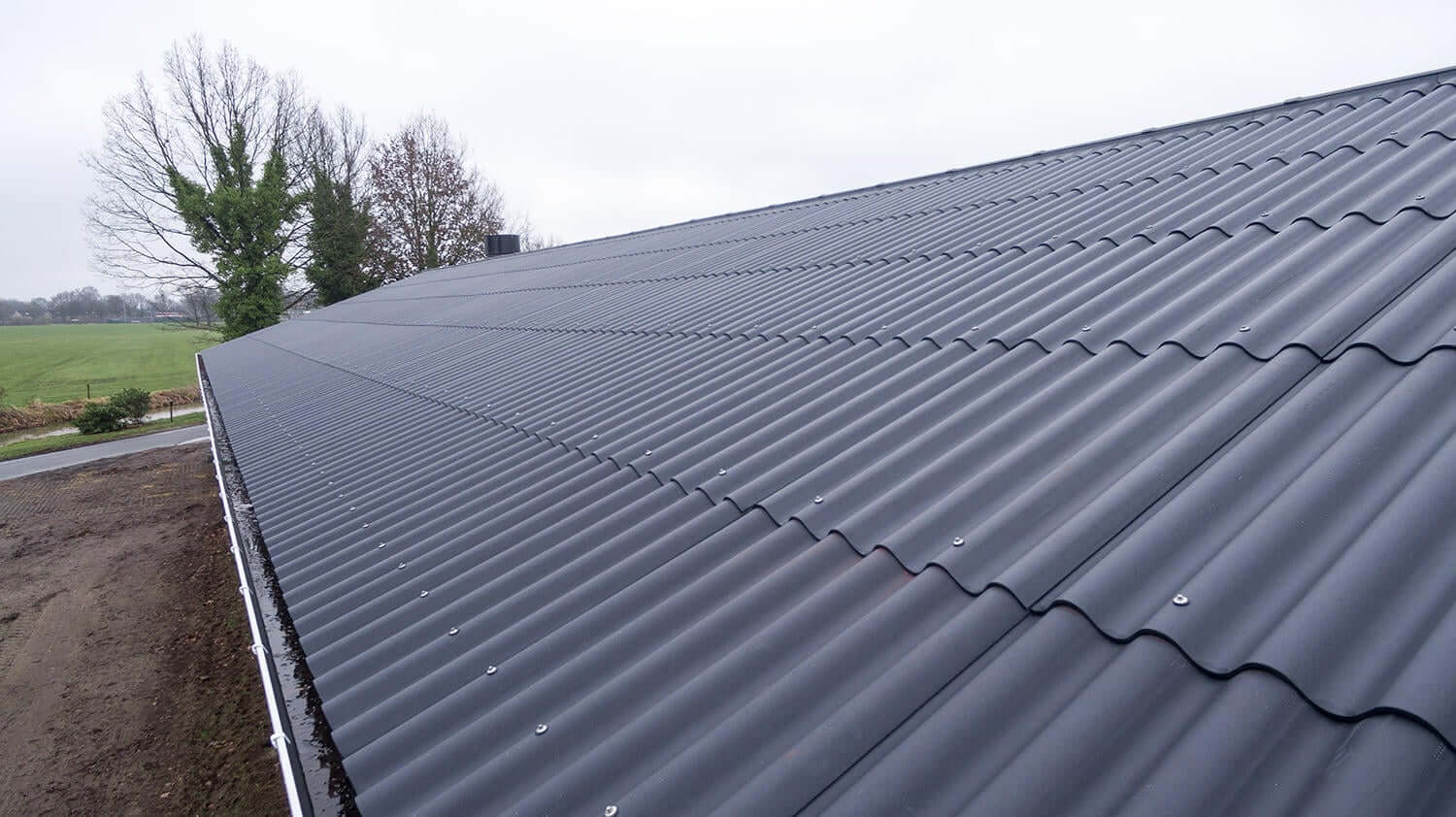
Only a few years ago, we associated corrugated sheets with eternit, asbestos sheets harmful to health. This was, of course, completely mistaken. The only feature these coverings share is their corrugated shape. Fortunately, we are seeing this perception change. Corrugated sheets were designed to make it easy to replace asbestos sheets with sheets having the same corrugation, but made from fibre cement. Today, these sheets are becoming increasingly popular with architects and clients.
These sheets are exceptionally durable and require no servicing. They retain their excellent appearance for a very long time and need no maintenance. They are also unaffected by contaminated environments such as pig houses, which is very important in agricultural buildings. Corrugated fibre cement sheets are used wherever a lightweight, effective, inexpensive and extremely durable covering is needed.
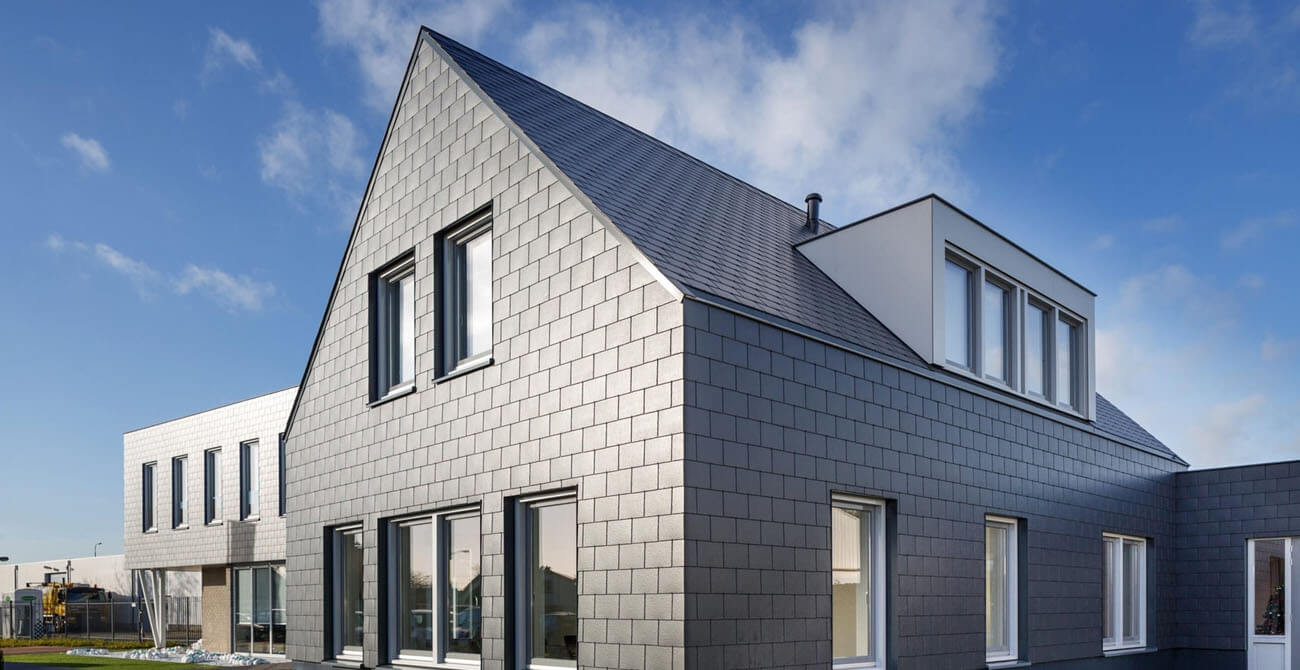
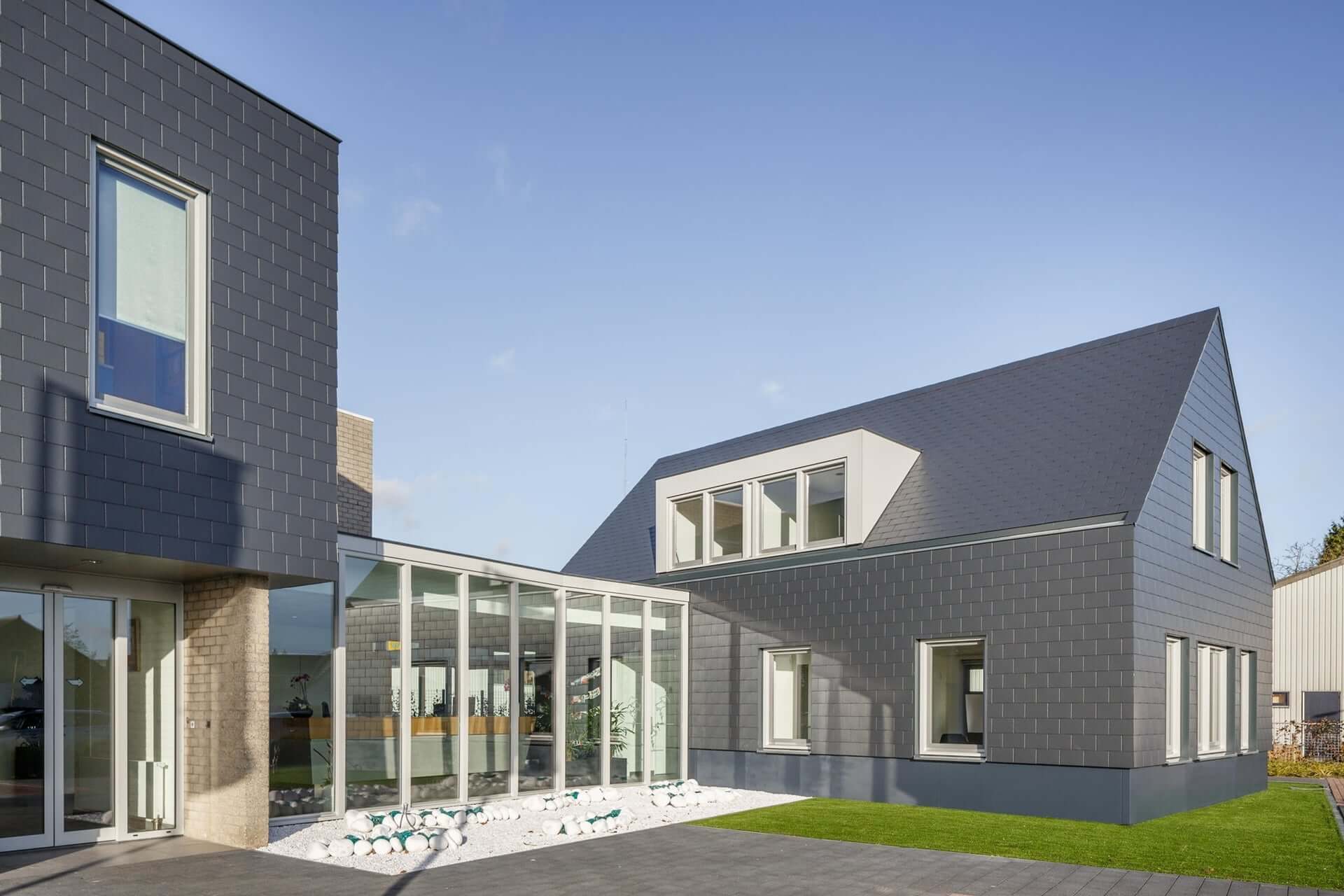
They are also used in individual homes, where clients with a modern outlook may opt for large-format sheets or flat tiles. This is an interesting alternative to roof tiles and metal roofing. Such a roof has a minimalist, unconventional appearance. When using Struktonit tiles as a roof covering, consider using them on the façade of an ultra-modern building too. A compact house form combined with a gutter system for roofs without projecting eaves makes a striking impression.
This is part of the article Attractive roof coverings. If you have not read the introduction yet, I encourage you to do so.
Read on: Natural and traditional roofs
Introduction: attractive roof coverings
1. Attractive roofs – clay tiles
2. Attractive roofs – concrete tiles
3. Attractive roofs – metal roof tiles
4. Attractive roofs – stone-coated tiles
5. Attractive roofs – fibre cement sheets
6. Attractive roofs – natural and traditional coverings
Questions about your roof?
An adviser will review your plans and choose materials to suit your budget.