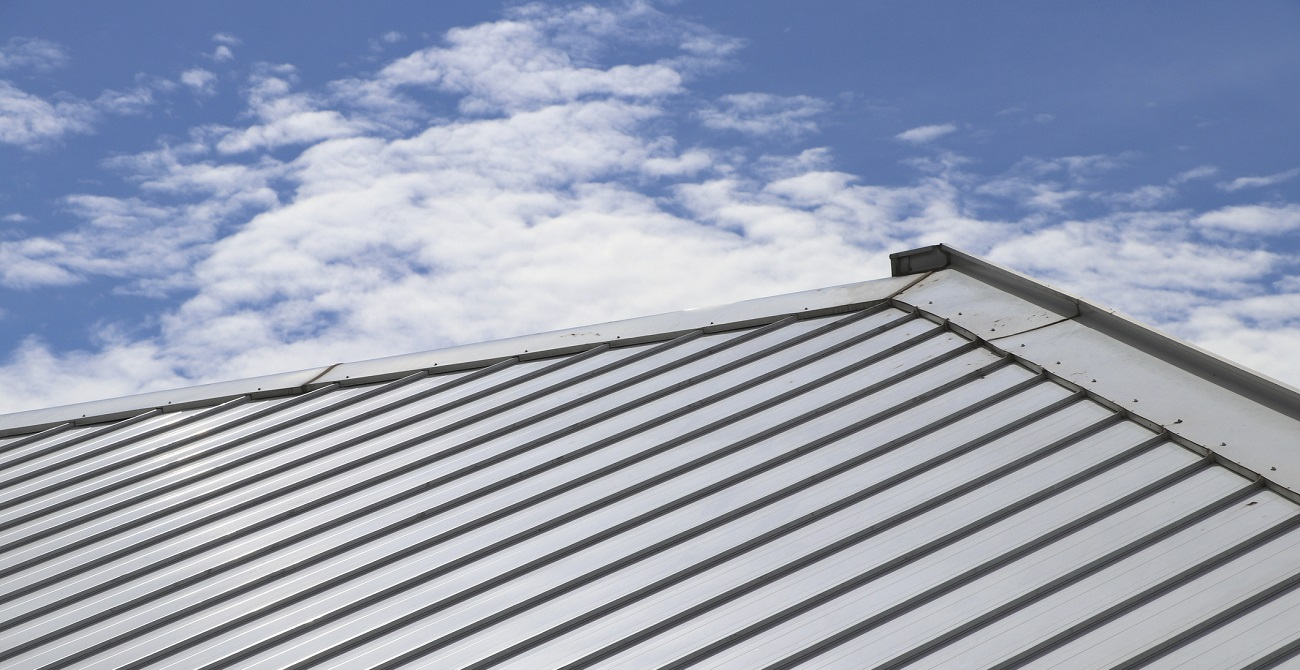
With simple forms dominating innovative architecture, many people choose a new roof covering: standing seam metal roofing. However, installation can vary depending on the technique used to work the flat sheets and the roofer’s installation method.
The substrate for metal roofing
Imitation folded-seam roofing, namely flat metal sheets with standing seams, must always be preceded by installing counter-battens and battens on the roof structure. On steep roofs, battens are spaced from 100 to 200 mm apart; on shallower slopes, from 100 to 150 mm. Battens are not desirable in every case. When using the technique of covering a roof with standing seam sheeting, boards are used because they are wide and “koncertują” the sheeting to a moderate extent. Battens, however, do not give a 100% guarantee of a large contact area with the sheet. The widest spacing is 200 mm, and the standard width is between 40 and 50 mm. If boards in open boarding were installed around 100 mm apart, they would still provide stable, easy access across the roof without deforming the covering.
Installation method and ventilation
Proper protection against moisture is another very important issue, as condensation and condensate commonly collect beneath the sheet. To reduce this, special mats are used. These include woven mats, ordinary mats, fibrous screens with nonwoven fabric and others. They come in various densities and sizes. Mats damp sound from the roof. The higher their weave, the better they fill the gaps between the boarding and roof covering and protect the material from damage. No mats are needed with open boarding, as the wind can move freely through it.
Questions about your roof?
An adviser will review your plans and choose materials to suit your budget.