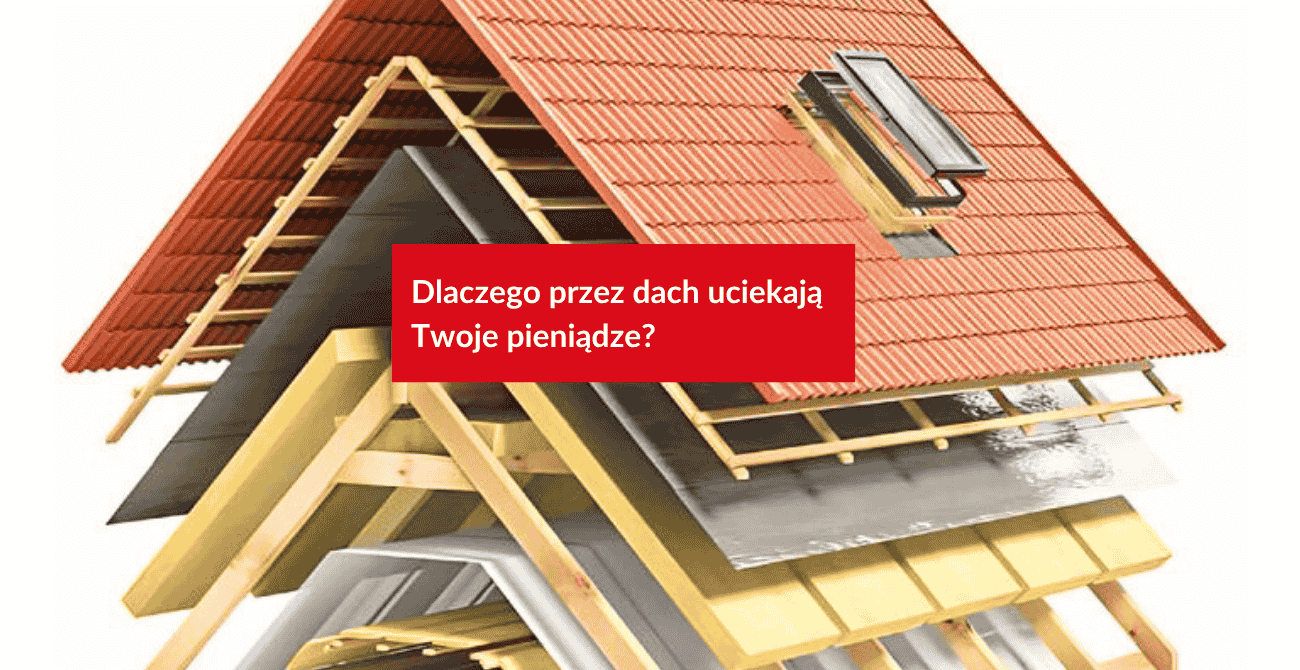
A well-planned roof can reduce winter heating costs and keep rooms pleasantly cool in summer. How can you achieve this?
Here is a practical guide to making your roof energy-efficient at every stage of construction and finishing.
1. A roof that generates electricity – a covering with integrated photovoltaics
The type of roof covering may not greatly affect thermal insulation, but today it is worth taking a broader view of energy performance. Modern coverings can do more than protect against rain and snow: they can also lower electricity bills.
Worth considering:
MyRoof photovoltaic roof – an elegant, energy-efficient system with solar cells built into the covering.
Solroof system by Blachprofil 2 – steel coverings with integrated photovoltaics, ideal for modern buildings.
VARIO system – roof tile coverings with a photovoltaic option, combining a classic look with the technology of the future.
With these solutions, panels no longer need to be installed separately: the PV system is part of the roof from the outset.
2. A warm roof means an economical home – insulation matters
A well-insulated roof is essential in energy-efficient construction. What matters is not just thickness but, above all, the thermal insulation performance of the material, especially its thermal conductivity λ (lambda). The lower the value, the better the material.
The most popular solutions:
Mineral wool
A traditional, proven form of insulation.
Remember: not all wool insulation is the same. Choose products with the lowest possible λ value.
PIR boards – a modern alternative
They provide very good insulation in thin boards.
Available in two variants:
Above-rafter insulation – installed above the rafters, with no thermal bridges.
Below-rafter insulation – installed from inside, often as an additional layer.
Combining both methods creates an exceptionally effective thermal barrier.
3. Roof weathertightness – details matter enormously
Even the best insulation will not help if the roof is not weathertight, especially at vulnerable points such as chimneys, roof access hatches and roof windows.
What to look out for:
Carefully sealed junctions between the roof and components passing through its surface.
High-quality roof windows – with a good Uw value.
Installation accessories – reputable manufacturers offer kits for warm, weathertight window installation, significantly improving thermal insulation performance.
4. Savings all year round
A well-designed, properly built roof structure is an investment that works for you all year:
In winter it limits heat loss and reduces the need for extra heating.
In summer it protects the attic from overheating, reducing air conditioning use.
The result: less energy used, lower bills and a more comfortable home.
Summary – a roof is more than its covering
Roof energy efficiency depends on many elements, from the covering material and insulation quality to installation details. Investing in the right solutions gives you comfort, lower running costs and a higher property value. That pays off, today and in the future.
If you need help choosing energy-efficient roofing solutions, contact us. Ambit’s experts will be happy to help create a roof that is an investment for years to come!
Questions about your roof?
An adviser will review your plans and choose materials to suit your budget.